Creating Space for
Geography-Art
Encounters
Thames Workshop
June 11th 10am-4pm
As a subdiscipline of geography, ‘creative geography’ has attended to human-environment relationships through what Harriet Hawkins (2011) describes as ‘dialogues’ and ‘doings’ – which includes geographers both interpreting art works, as well as geographers collaborating with artists, curating exhibitions and producing their own art. Through this work, geographers have been able to think critically about the production of environmental knowledge, as well as deploy novel methodologies for examining human-earthly connections. Meanwhile, artists are increasingly mobilising geographical methods, as well as grappling with geographical topics, signalled by the increasing number of public exhibitions addressing climate change and extraction. In this context, geographically attuned practice has opened-up new ways for artists to think about their own work. Moreover, there is an important history of both artists and geographers working across disciplinary boundaries and this lineage of work is critical to examine. Given the distinct benefits afforded by working across geography and art, this workshop seeks to strengthen relationships between UCL geographers and artists and open-up space for imagining what collaborative work across - and beyond - the departments might look like.
Funded by UCL’s Collaborative Research Fund and UCL Anthropocene. Part of UCL Anthropocene’s ‘Emergence | Emergency Event Series’
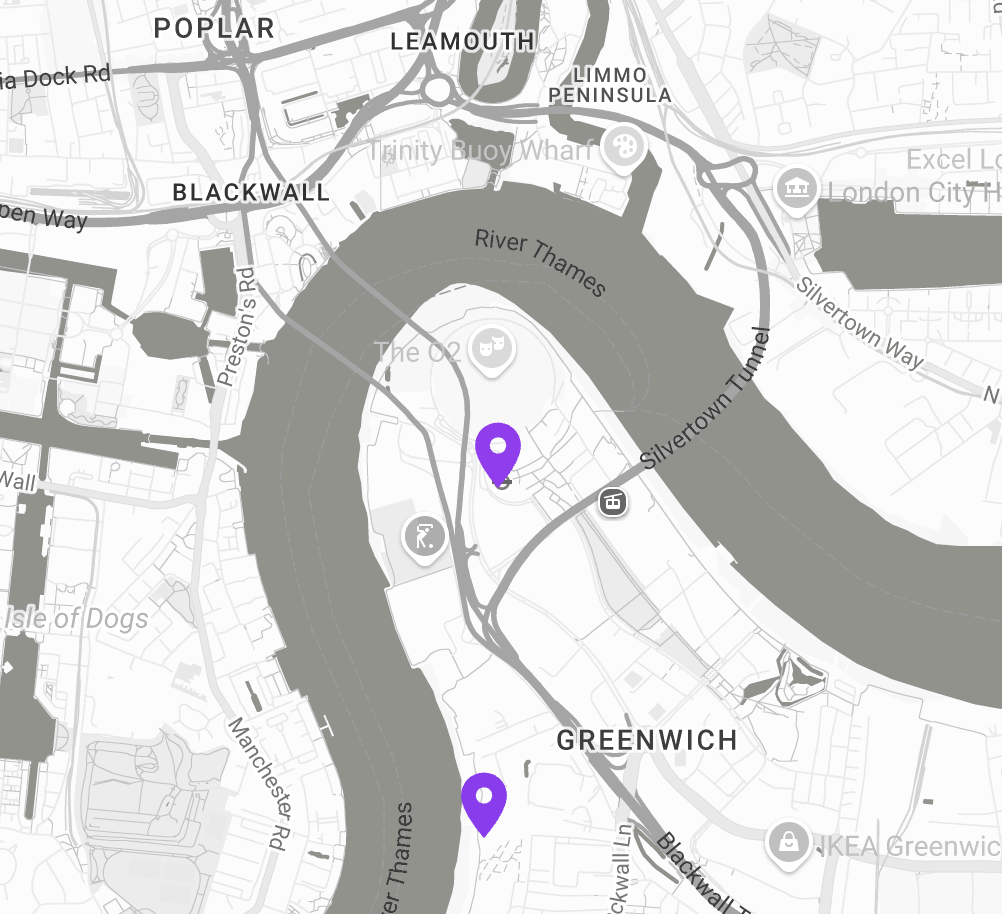
North Greenwich Station (Jubilee Line)
Enderby House
10am
Meet @ North Greenwich Station
Jubilee Line [river side]
< >
10:15-11:15
Breakfast and welcome
< >
1:30-2:15
Thames Path
< >
2:15-3pm
Activity
< >
3-4pm
Discussion and next steps
-
![]()
Adjoa Armah [Ruskin School of Art, University of Oxford]
Adjoa Armah is an artist, educator, and writer. Her practice meditates on memory and the layered realities we carry within our bodies. Drawing on personal and collective histories, she navigates the intersections of grief, cultural memory, and resilience, particularly as they emerge within diasporic and post-colonial contexts. Armah is concerned with how identity is metabolised generationally - how grief, joy, and survival are transformed and reconstituted in response to shifting cultural conditions. By tracing the changing values ascribed to objects and materials, she considers how certain regimes of value inscribe power, meaning, and belonging onto specific forms. She explores how memory and trauma permeate and recompose themselves in the spaces we inhabit. Through a multidisciplinary approach, her work interrogates archival and interpersonal silences, staging narrative spaces able to hold what is lost and what is remembered. She is the founder of saman archive, a gathering of photographic negatives encountered across Ghana, through which she explores models of institution building grounded in Akan temporalities and West African technologies of social and historical mediation. Armah has shown internationally, including at Auto Italia, London, fluent, Santander, Hauser & Wirth, Menorca, Delfina Foundation, London, Espace Niemeyer, Paris, and Salone De Mobile, Milan. Armah is also currently a practice-led DPhil researcher in Fine Art at Ruskin School of Art at the University of Oxford, cross-supervised with Pitt Rivers Museum, with a project provisionally titled; ‘Atlantic Marginalia: Towards Black Historiography with the Temporal Consciousness of Sand'. Through her doctoral research, she engages with concepts of unstable ground, considering sand, soil, sea, and various mutable landscapes as metaphors for identity: shifting, porous and constantly reshaped by external factors. Armah holds a Master’s in Material Anthropology and Design from University College London.
-
![]()
Andrew Barry [Department of Geography UCL]
Andrew Barry studied Natural Sciences and the History and Philosophy of Science at Cambridge University. He subsequently held a joint SERC/ESRC studentship at the Science Policy Research Unit, University of Sussex, where he completed his DPhil in Science and Technology Studies in 1988. This was followed by Lectureships in the Department of Human Sciences at Brunel University (1987-91) and the Department of Sociology at Goldsmiths’ College (1991-2006). Andrew moved to Oxford University in 2006, where he was Reader in Geography and subsequently Professor of Political Geography in the School of Geography and the Environment, and a Fellow at St Catherine’s College. While at Oxford, he was Academic Director of the Masters’ programme in Nature, Society and Environmental Policy and co-convenor of the Technological Natures Research group. He joined the Department of Geography at UCL as Chair of Human Geography in September 2013. At the heart of my research has been a concern with the importance of materials and technologies in political and economic life. My book, Political Machines: Governing a Technological Society (2001) focused on the vital role of technical devices in the constitution and politics of a transnational political space: the European Union. My recent book, Material Politics: Disputes along the Pipeline (2013), interrogates the way in which the production of information about materials enables the activity of materials to be managed and monitored, while also generating the conditions within which controversies can proliferate over the quality and sources of the information produced. Andrew Barry is a Professor of Human Geography in UCL’s Department of Geography.
-
![]()
Clodagh Chapman she/her [Incoming PhD student at UCL Geography]
Clodagh Chapman is an incoming PhD student in the Department of Geography at UCL, supervised by Professor Andrew Barry and funded by the SHS Arts and Humanities Faculty Studentship. Her research at UCL will investigate how contemporary theatre is grappling with the weird affective conditions of life under Anthropocene, as well as broader questions of how geographical thought can offer import into literature and the arts, and vice versa, including via practice-related writing experiments. She holds a BSc in Geography from the University of Bristol, and an MA from the Royal Central School of Speech & Drama. Currently, Clodagh works as a freelance writer, director and dramaturg.
-
![]()
Eleanor Luxton she/her PhD Department of Geography
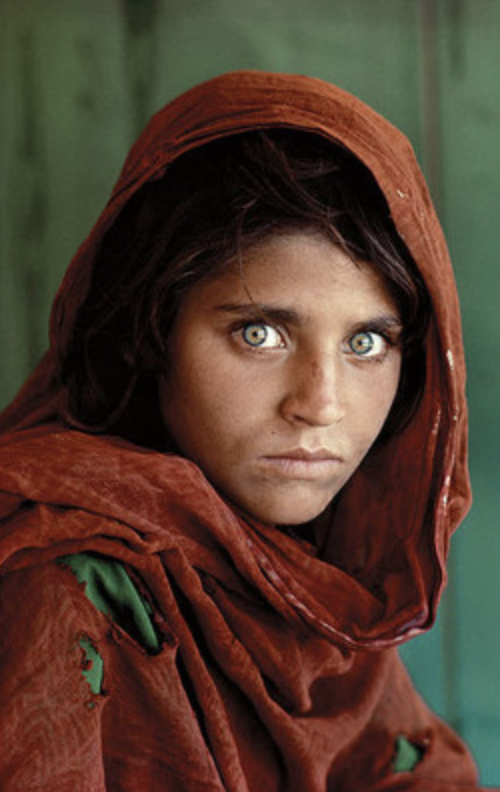
Eleanor Luxton is a first year PhD student in the UCL Department of Geography (funded by UCL RES). Her project will work with Afghan women who moved to the UK after the so-called 'fall of Kabul' (2021), to understand their relationships with representations surrounding 'Afghan women'. These include Steve McCurry's (1984) infamous Afghan Girl photo, which appeared on the front cover of National Geographic (see below), but also are often conflated with depictions of 'Muslimwomen' (cooke, 2007), 'refugee women', and 'third world women' (Mohanty, 1984) too. Inspired by developments in postcolonial feminist thought and participatory inquiry, Eleanor hopes to carry out focus groups, creative workshops, and interviews where such representations can be discussed, questioned, and remade. Prior to joining UCL - originally as a student on the MSc in Global Migration (2024-25) - Eleanor gained her BA in Geography from Mansfield College, University of Oxford (2021-24). For her undergraduate dissertation, she interviewed Afghan women living in a bridging hotel to understand their experiences of the fall of Kabul and subsequent migration journeys.
-
![]()
Grace Brookes she/her [Social and Geographic Data Science MSc, UCL Geography]
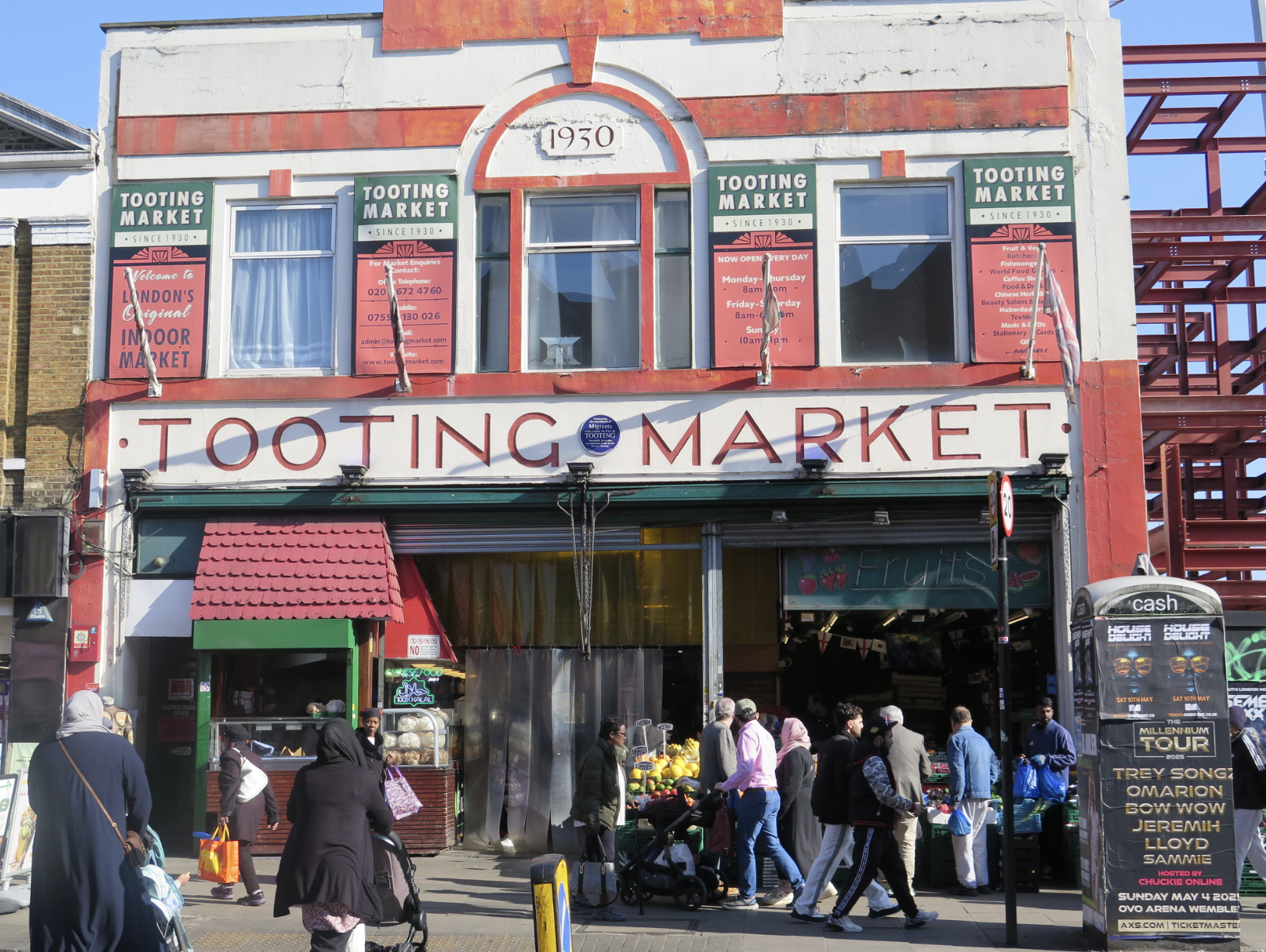
Grace Brookes is an MSc student in Social and Geographic Data Science at UCL. She previously studied Geography at the University of Cambridge, where she developed interests spanning both human and physical geography. Her undergraduate dissertation, What Does Gentrification Taste Like? Tracing the Symbolic, Material, and Affective Geographies of Food Gentrification in Tooting, South London, explored how food practices, identities, and urban change become entangled through processes of gentrification. Her current research focuses on food systems, public health, and social and environmental inequalities, with her MSc dissertation examining barriers to fruit and vegetable consumption in the UK. Alongside her quantitative research, she has become increasingly interested in how research can be communicated, experienced, and understood through forms that extend beyond traditional academic outputs. Through student radio, documentary production, and data storytelling, she explores creative approaches to engaging wider publics with social and environmental issues. She is eager to use the workshop to learn more about art-geography encounters and discover how creative practices can enrich her current and future research."
Image: An image of Tooting Market. This is a historic community hub now at the heart of Tooting’s evolving foodscape. Here, longstanding cultural practices coexist, and sometimes clash, with new forms of consumption and visibility
-
![]()
Hannah Whyley [MSc Conservation UCL]
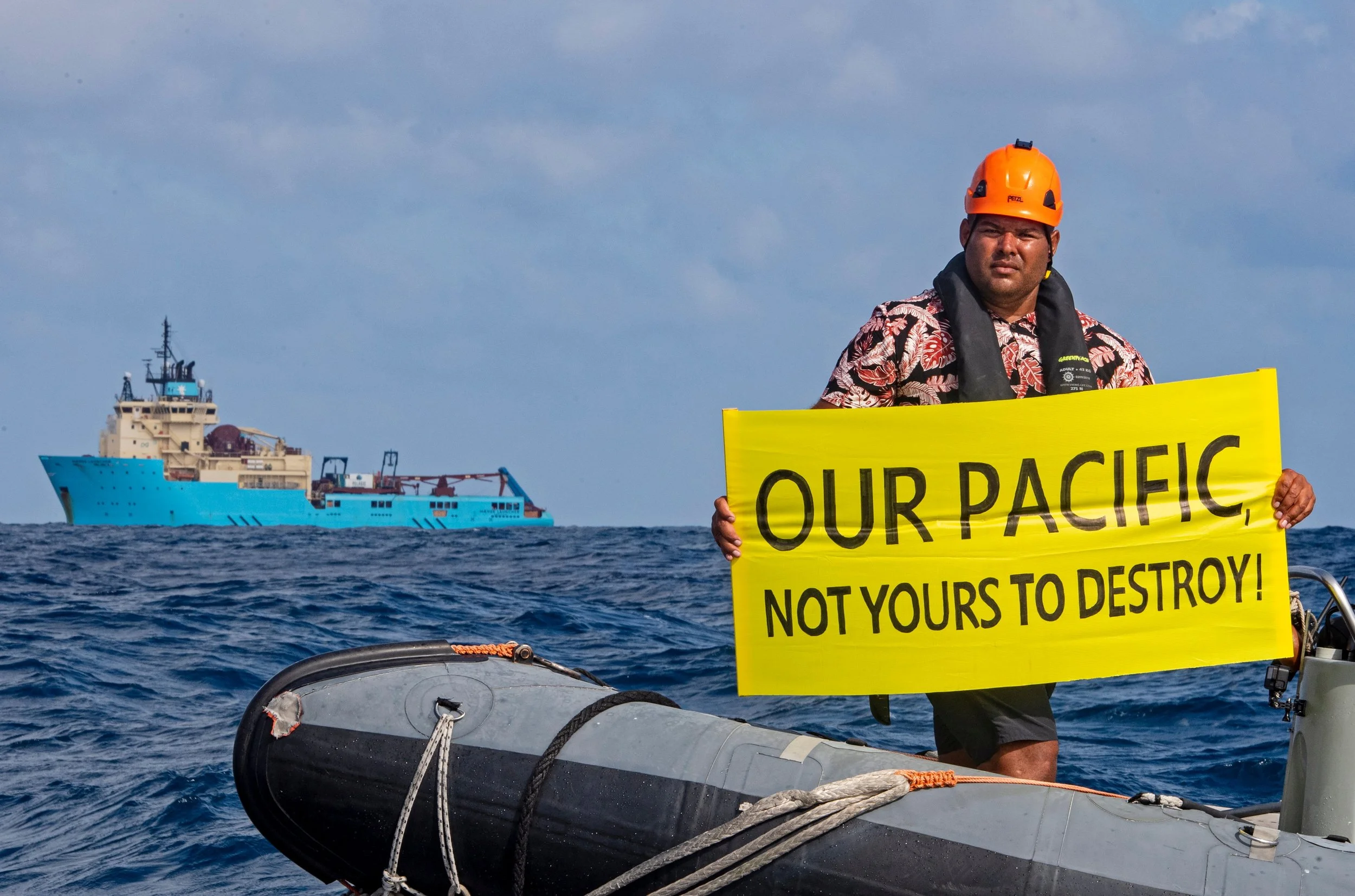
Hannah holds a BA in Liberal Arts from King’s College London, where she specialised in Film Studies within an interdisciplinary framework that encouraged engagement across the arts and social sciences. Her undergraduate dissertation, “Afterlife of Empire: The Colonial Unconscious and Decolonial Strategies in Contemporary African Documentary Cinema,” examined film both as a tool historically implicated in reinforcing colonial occupation and as a contemporary medium of decolonial and activist practice in Africa, particularly in areas such as ecocriticism. She also undertook study at the Courtauld Institute of Art, where she explored art as a means for displaced Tibetan communities to reconnect with their homeland. While studying abroad at the University of California, Santa Barbara, she further developed her interest in the relationship between film and environmental activism, culminating in the production of a call-to-action documentary for a marine conservation non-profit. She is currently pursuing a part-time MSc in Conservation, motivated by a desire to build on this interdisciplinary foundation through a stronger grounding in environmental science and conservation practice. Her interests have increasingly centred on postcolonial perspectives within geographic space and how these shape relationships between land, nature, and both human and non-human communities. She’s keen to use this workshop as a space to consider how she can continue to incorporate her visual arts background with her current conservation studies
Image caption: This image depicts Indigenous activists protesting deep-sea mining activities. During the first year of her master’s studies, Hannah wrote a paper examining postcolonial geographic perspectives on deep-sea mining.
-
![]()
Lesley Sharpe she/her [Slade School of Fine Art, UCL]
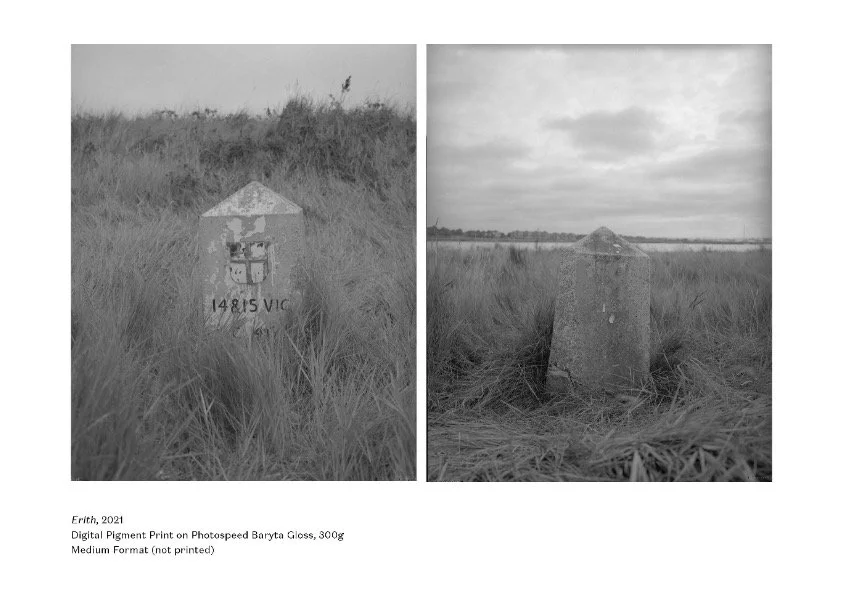
Lesley Sharpe is a visual artist working primarily through printmaking to explore the relationship between print, process, and place. Using both analogue and digital techniques her work is often folded, cut and collaged to investigate how materials and processes can serve as metaphors for how we experience, interpret and represent the land, the paths we trace and the legacies we carry. Influenced by her industrial heritage, her work inhabits both conceptual and material landscapes with current research focusing on the karst terrains of Skye and Structures of Forgotten Origin - a collaborative project that aims to circumnavigate London’s Metropolitan Green Belt locating the boundary made by the 200+ coal tax posts erected by the City of London in the mid-19th Century. These varied landscapes are a source of inspiration behind her thinking and making about printmaking as a process where images hover beneath the surface waiting to be discovered through methods of excavation, layering and erasure. She currently teaches at the Slade School of Fine Art.
-
![]()
Kate Dawson she/her [Department of Geography, UCL]
Kate Dawson is a Lecturer in Environment, Politics and Society, teaching across the MSc programme and several undergraduate modules that coalesce around questions of socioecological politics. Her work has and remains interested in the connections between earthly materials, politics and people. This has largely centred around the materiality of sand, as one of the most intensely consumed substances on Earth and she’s examined these geographies through work in Accra (PhD), Freetown and London. This work has enabled her to contribute to the growing global policy space on sand. She is also working with colleagues to think through the political geologies of platinum and in particular, the ways it is situated in green hydrogen futures. She have been interested in creative methods and has collaborated with artists, students and writers in multiple contexts across the UK, West and South Africa and New Zealand, experimenting with forms of creative research. At present, she am working on a monograph which brings together questions of earth, energy and politics.
-
![]()
Mercedes Balle she/her [Artist]
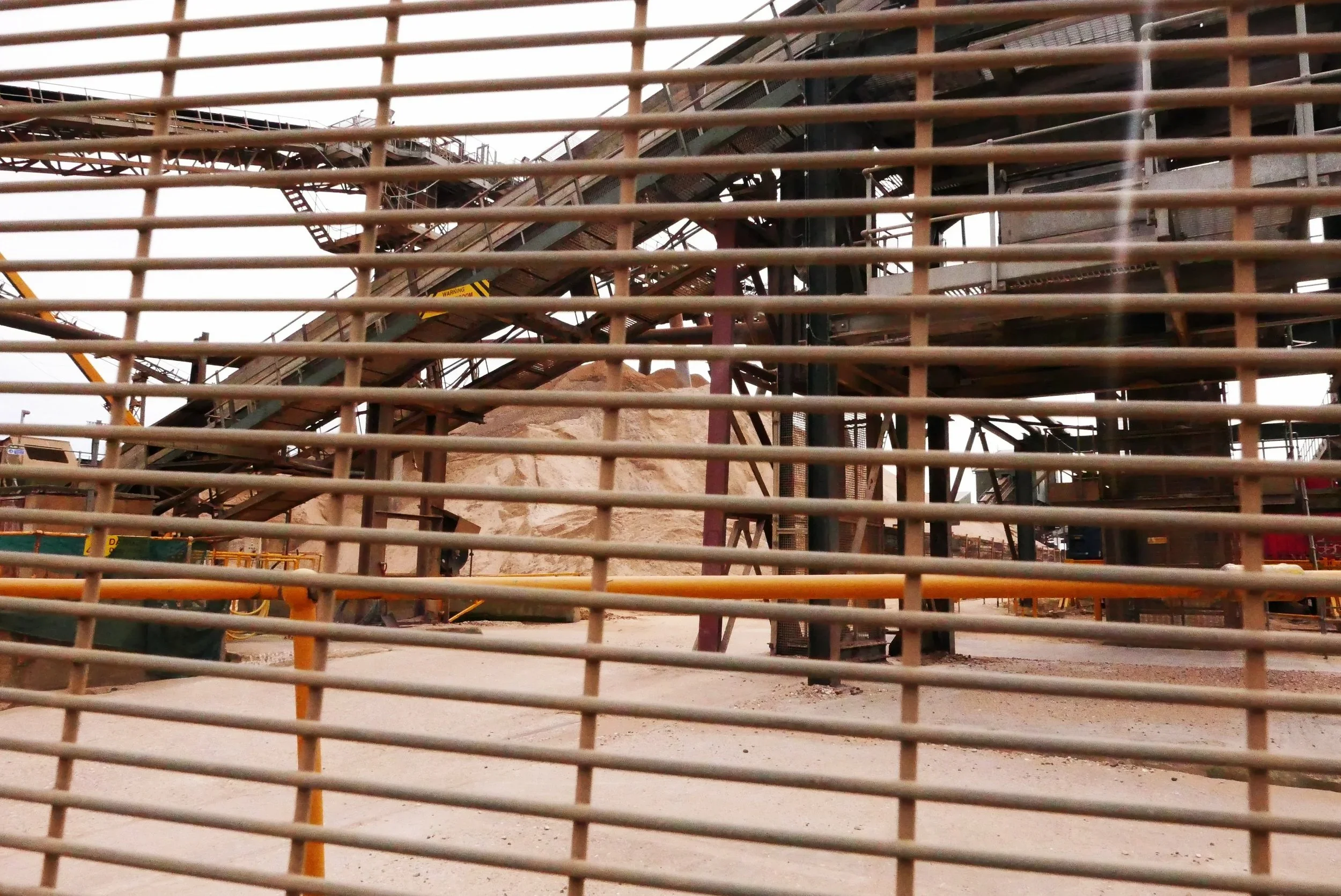
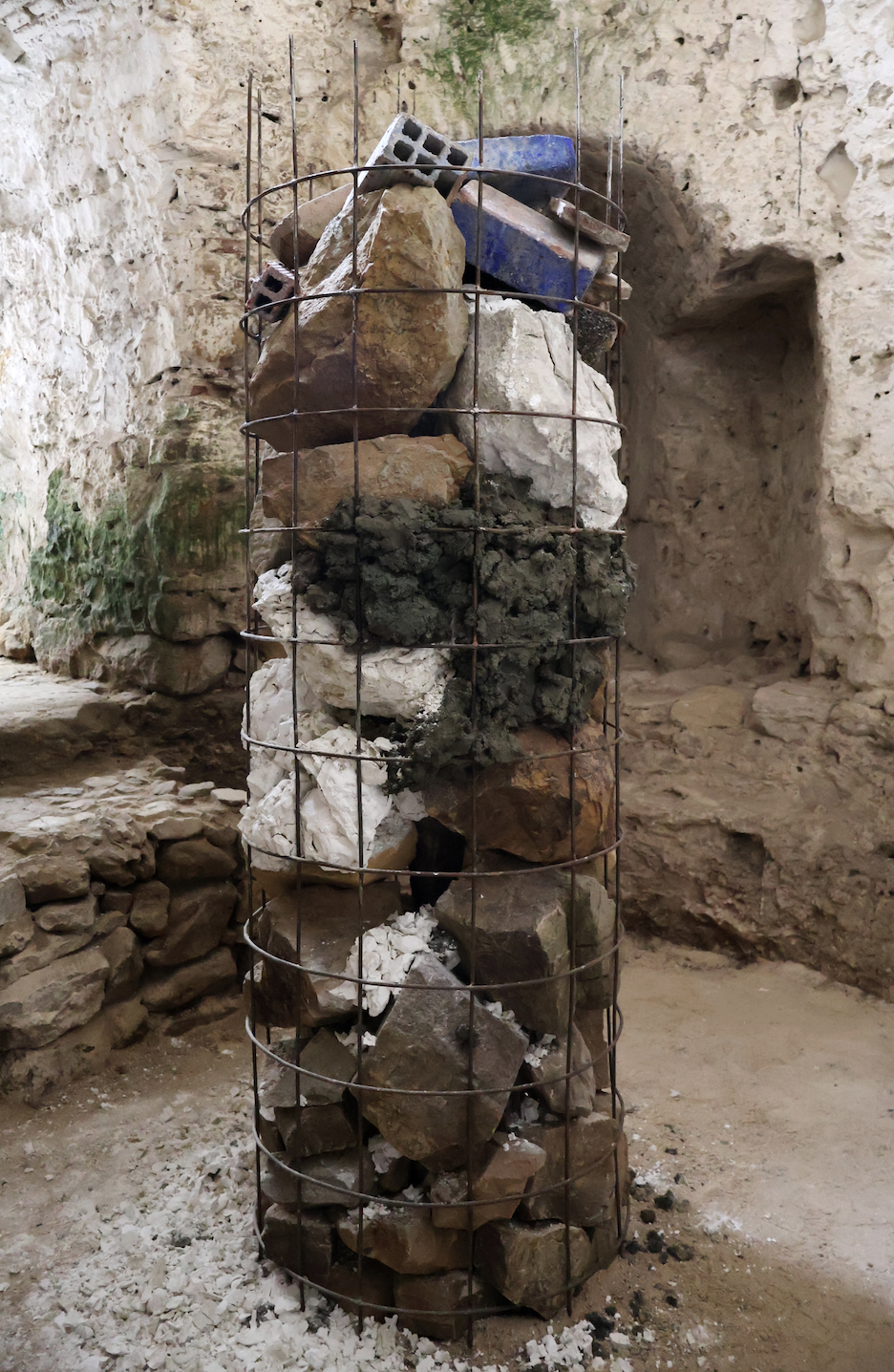
Mercedes Balle (b. 1991, Mallorca) is an artist based between London and Mallorca. Her research-led practice explores the tension between the built environment and the natural world, working across site-specific installation, sculpture and 'paintings without paint'. Balle’s practice stems from an intimate desire to decode the places she inhabits. She transforms construction remnants into art to question the hubris of an extractive economy that builds for permanence yet renders materials prematurely obsolete. Her work addresses this misalignment, contrasting the rigid cycles of infrastructure with the regenerative rhythms of biology and deep geological time. Her work was featured in the 2025–2026 touring exhibition After Nature (UK), curated by Ben Tufnell. Recent projects include exhibitions at La Tour du Ciel (Tangier) and Centro Cultural de Jesús (Ibiza), a research residency at Arcangelo Sassolino’s studio (Italy) and solo exhibitions at Museu de Porreres (Mallorca) and The Stone Space (London).
Image: Al otro lado del Estrecho, La Tour du Ciel, Tangier, 2026.
-
![]()
Onya McCausland [Slade School of Fine Art]
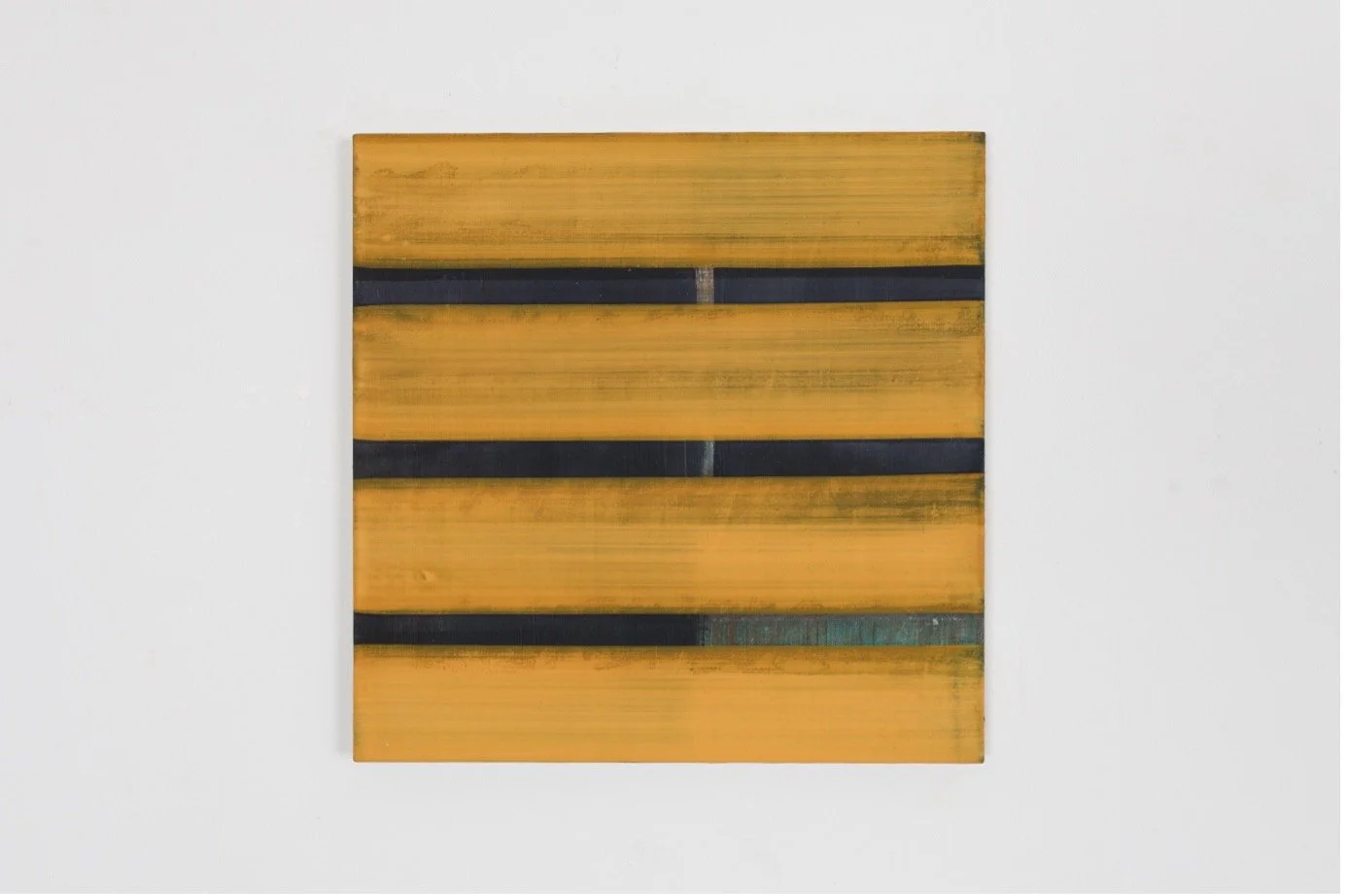
Onya McCausland combines studio paintings, wall installations, collaborative socially focused practice that includes making paint from waste materials that develop critical perspectives examining and re-imagining post-industrial contaminants and pollution as culturally significant materials. Her paintings develop contexts of landscape, abstraction and monochrome painting which are explored together to address environmental contexts and concerns. Public performative paint making is used as a pedagogical tool to activate discussion through making, around the social and environmental legacies playing out in post-industrial landscapes. McCausland has shown work in various public institutions in the UK and Europe including Kettles’s Yard, Cambridge, Middlesborough Institute of Modern Art, Norrtälje Konsthall Sweden and Akureyri Museum Iceland. A recent solo show Tailings was held at Close Gallery, Somerset, and group shows include After Nature curated by Ben Tufnell and Freeny Yianni at Close Gallery Somerset 2025 and Proposition Gallery London 2026, where she is also developing a solo show for the autumn 2026. Dr. Onya McCausland is Associate Professor and Head of Undergraduate Painting at the Slade School of Fine Art, UCL.
-
![]()
Seon Young 'Jenny' Ihn she/her [Artist and PhD researcher at the Slade School of Fine Art, UCL]
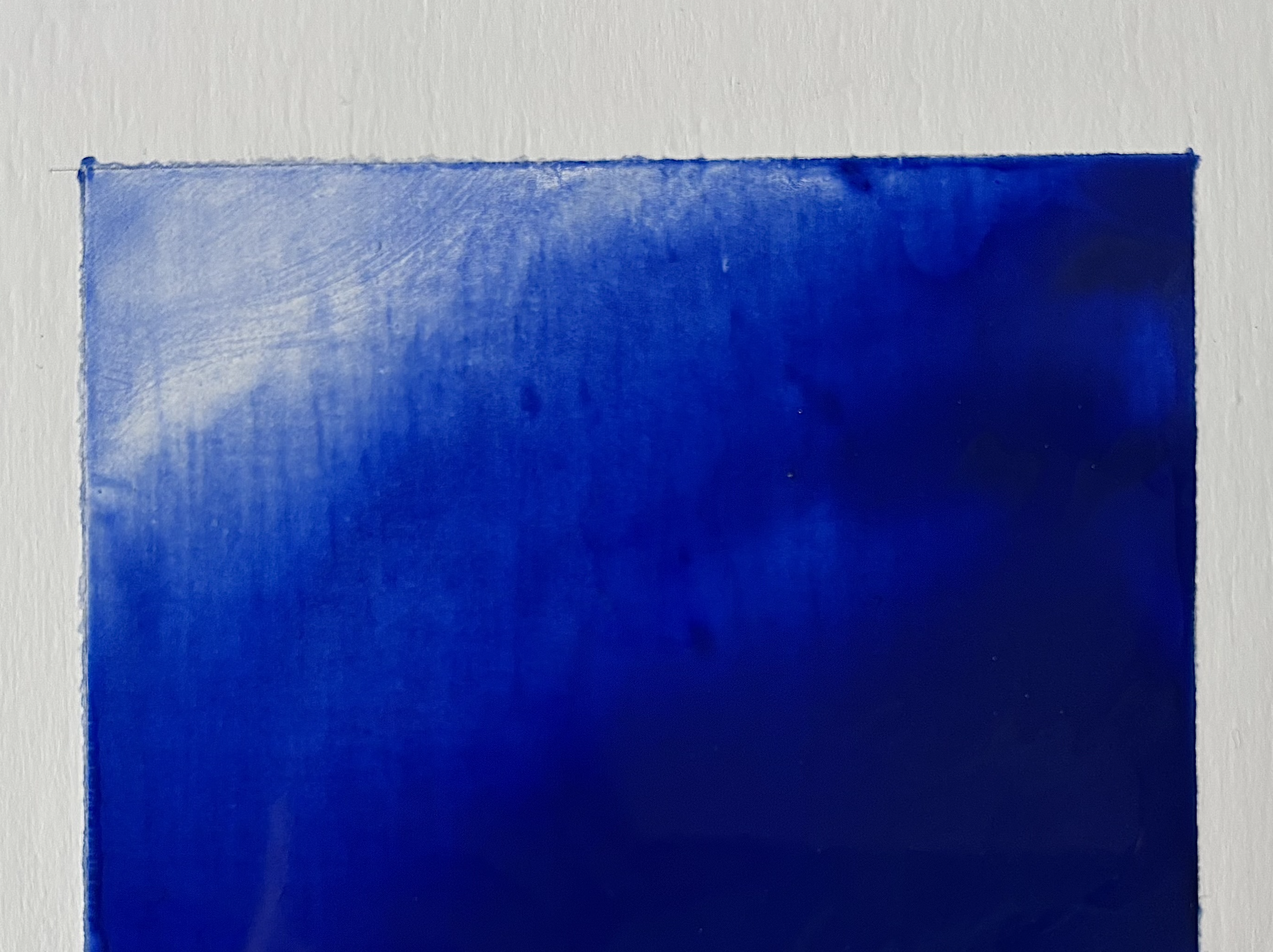
Seon Young ‘Jenny’ Ihn is a painter of Korean heritage living in London.Her pigment works are simultaneously painting and drawingwhereby notions of image and mark-making are in dynamic tension. She studied at the Sydney College of Arts (BVA, MFA) where she was the recipient of the Dominik MerschGallery Award. Currently she is a doctoral researcher at the Slade School of Fine Art, exploring the materiality of colour, in particular its provenance and its capacity to evince the (now somewhat lost) porosity of matter and spirit.
-
![]()
Troy Fielder he/they [PhD Department of Geography, University of Cambridge]
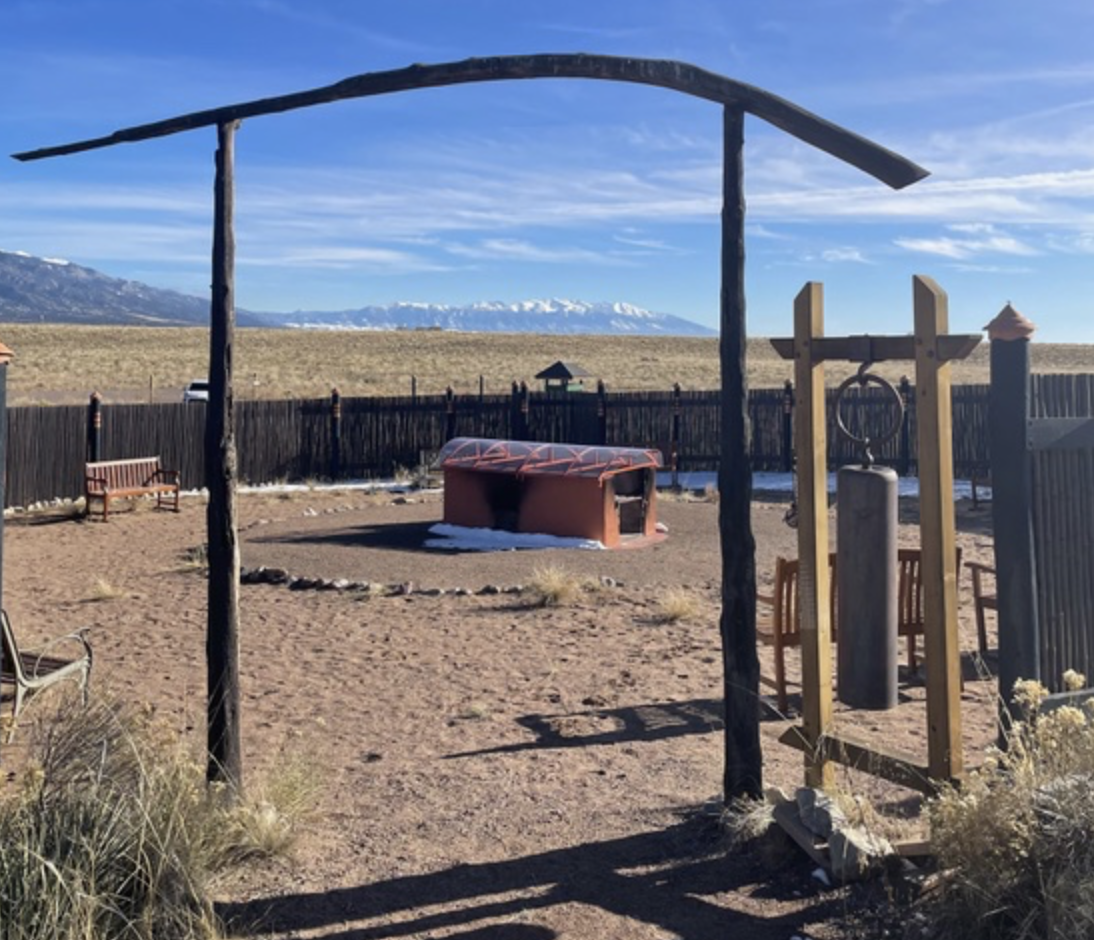
Troy Fielder (he / they) is a third-year PhD student in the Department of Geography at the University of Cambridge. His research explores contemporary funerary practices in the US, with a specific focus on the emergence of human composting. In August, they will begin a year-long Fellowship in the History of Science Faculty at Princeton University exploring the history of soil science in the US. Troy is a co-founder and the Co-Editor-in-Chief for The Camera - a Cambridge-based arts and culture review.